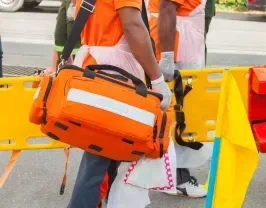
September is Suicide Prevention and Awareness Month. As a therapist who works with first responders in Barrie and surrounding communities, this feels like an important time to talk about something I believe we need to focus on more:
prevention.
Recent events in our local community have brought the mental health of first responders into focus. Moments like these remind us why conversations about first responder mental health and suicide prevention are so important.
One of the most encouraging things I have been seeing in my practice is first responders coming to therapy
earlier in their careers (yay!!). Increasingly, I see people seeking support not because they are in crisis, but because they want to be proactive about their mental health. Sometimes this means establishing a baseline and checking in on things like sleep, stress, relationships, coping, and how they are managing the demands of the job. It can also mean building a relationship with a therapist before a critical incident occurs, so that when something difficult does happen, there is already someone they know and trust.
To me, that is what prevention looks like. Therapy doesn't have to mean,
"Something is wrong with me." Sometimes it simply means,
"I want to make sure I stay well."
What First Responders Experience Isn't "Normal"
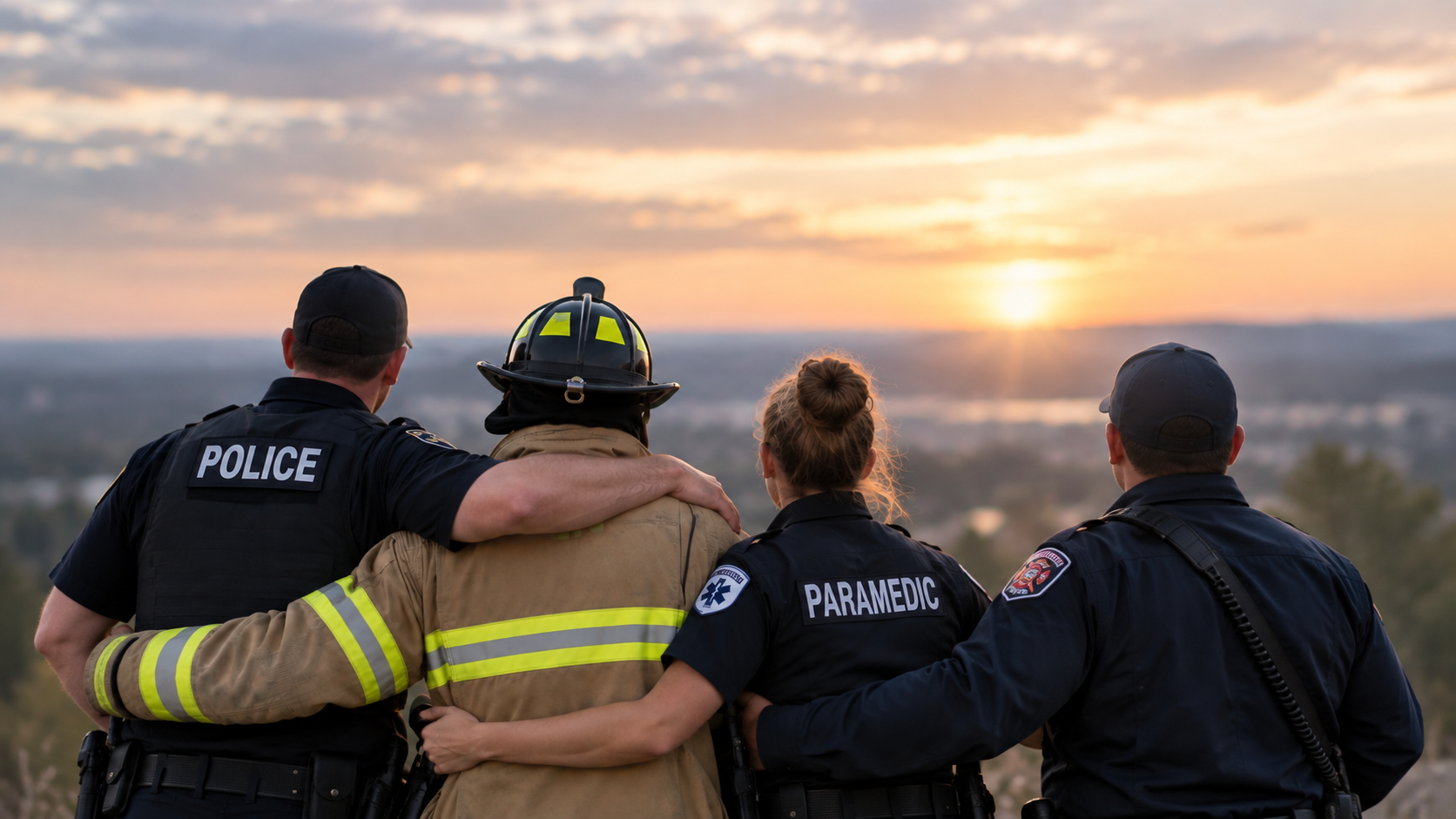
First responders are exposed to things most people will never experience. Police officers, paramedics, firefighters, dispatchers, and other public safety personnel may regularly encounter serious injuries, sudden deaths, traumatic scenes, violence, and the difficult task of delivering death notifications to families.
First responders can also experience the loss of their own colleagues. Whether a colleague is killed in the line of duty, dies unexpectedly, or is lost for another reason, losing someone you worked alongside, trained with, trusted, and considered part of your work family can have a profound impact. And while the work continues, there can be very little time or space to process that loss before you're expected to put your uniform back on and respond to the next call.
But when you see difficult things regularly, they can start to feel normal. Another call. Another accident. Another death. Another difficult scene. You do your job, go home, sleep, and come back for your next shift.
But becoming accustomed to something doesn't mean it isn't affecting you. Repeated exposure to potentially traumatic events is recognized as an occupational factor that can affect public safety personnel mental health.
First responders also develop skills and ways of thinking that are necessary to do their jobs well. You learn to assess risk, read people and situations, stay alert, anticipate what could go wrong, and remain composed during highly stressful situations. Those skills are incredibly valuable at work and required, but they can be difficult to switch off when the shift is over. What keeps you safe on the job can sometimes leave you feeling
on guard at home, less engaged with your family, or disconnected from the people and parts of life that matter most to you.
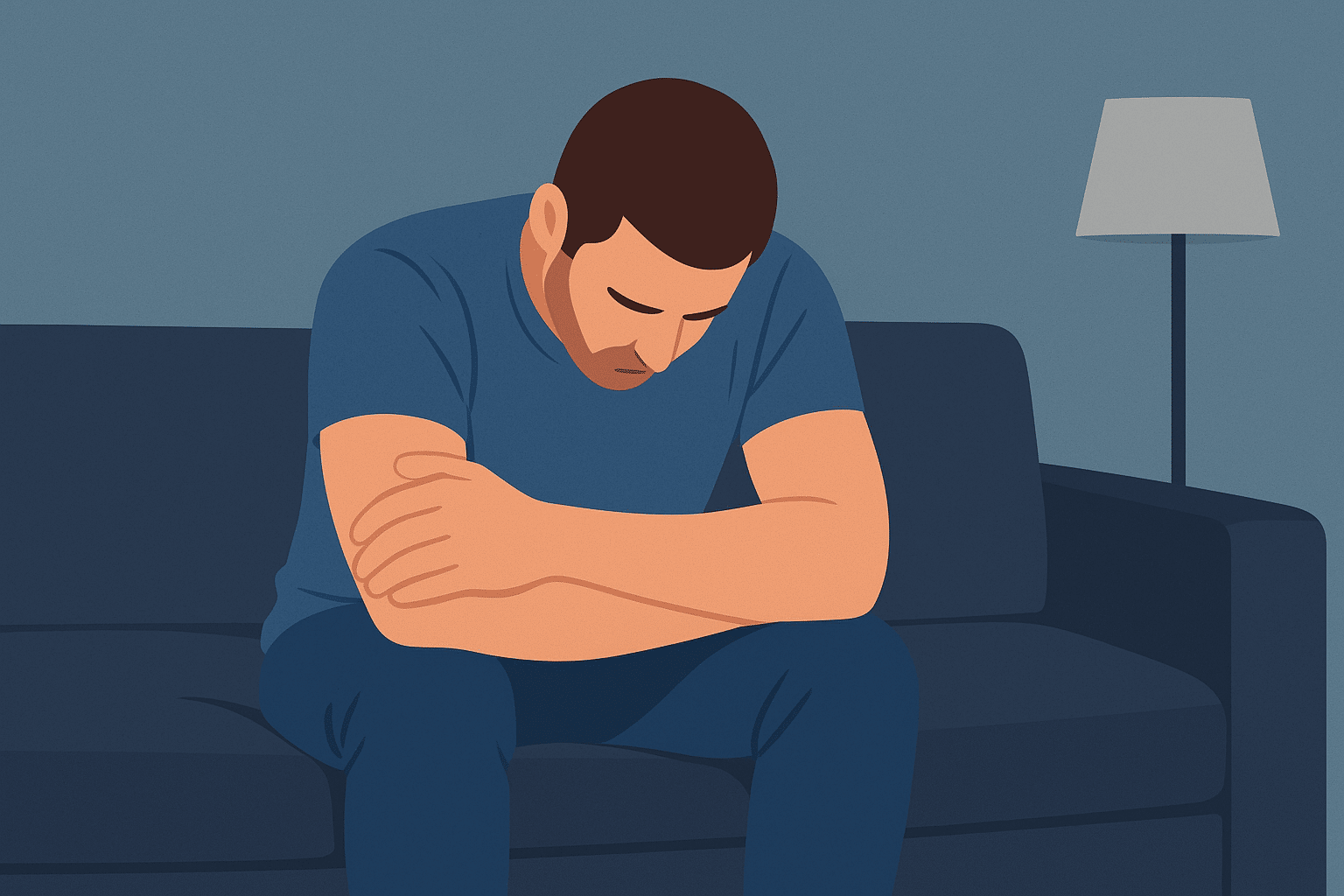
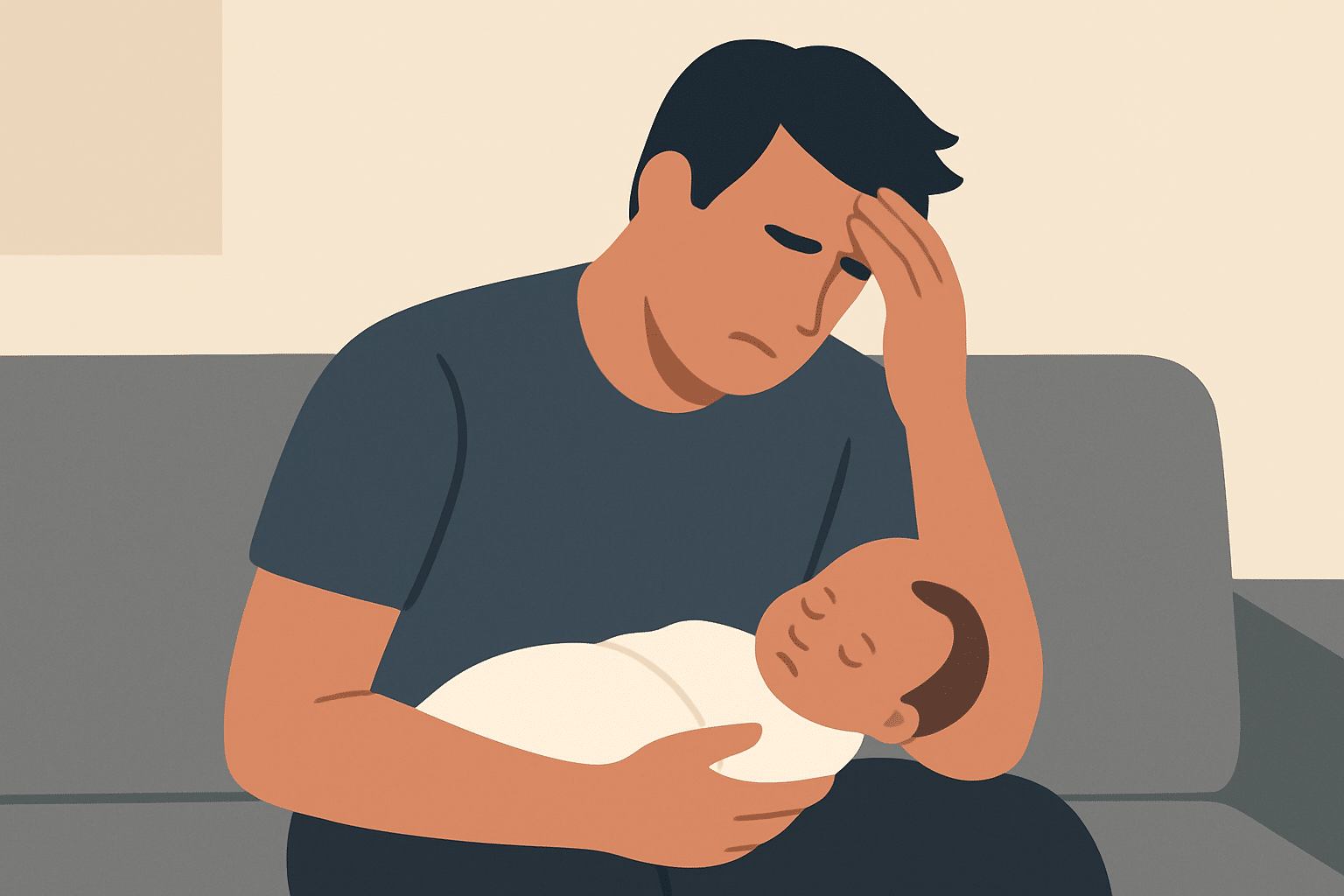
Sometimes the impact is obvious. Other times, it is much quieter. It can look like difficulty sleeping, irritability, anger, feeling constantly on edge, withdrawing from people, or having difficulty relaxing. For some first responders, there can also be a growing belief that the world isn't safe or that people can't be trusted.
When Work Mode Follows You Into Retirement
While I am encouraged to see more first responders coming to therapy earlier in their careers, I still see many people who don't seek support until they are nearing retirement or sometimes after they have retired.
And often, what they want isn't simply to feel less stressed. They want a meaningful life. They want to reconnect with their family, be more present with their spouse or children, enjoy retirement, and feel like themselves again.
After decades of being trained to remain alert, guarded, and prepared for the worst, it isn't always easy to simply switch that off when the career ends. The job can become a significant part of someone's identity, relationships, routines, and worldview.
This is one of the reasons I believe these conversations need to happen long before retirement. We should be helping first responders build a healthy life outside of the job
while they are still in the job.
"I've Been Telling Everyone Else to Go to Therapy..."
One of the things I hear from first responders is something along the lines of,
"I've encouraged my colleagues to go to therapy for years. It's just taken me this long to come myself."
There can be a lot of
stigma and self-stigma around asking for help. First responders are often very good at looking out for everyone else. They notice when a colleague isn't themselves, they encourage others to seek support, and they show up when someone is struggling. Extending that same compassion toward themselves can be much harder.
CIPSRT identifies stigma and self-stigma as important barriers to mental health support among public safety personnel.
There is also something I think is important to remember:
what you see every day may become normalized simply because you've had to learn how to function around it.
The fact that you can do your job doesn't mean that what you are exposed to is easy, or that it won't have an impact over time.
Needing support doesn't mean you're weak. It doesn't mean you're not resilient. And it doesn't mean you're not capable of doing your job.
The fact that you can handle something doesn't mean you have to handle it alone.
We Need to Move the Conversation Earlier
If we want to improve first responder mental health, I believe we need to keep moving the conversation earlier.
You don't have to wait until your sleep is falling apart. You don't have to wait until your relationships are suffering. You don't have to wait until retirement. And you don't have to wait until you're in crisis.
You can come to therapy because you want to stay well. You can come because you want to understand yourself better, work through the impact of the job, strengthen your relationships, or simply make sure the job doesn't take more from you than it needs to.
Prevention means recognizing that your mental health deserves attention throughout your career not just when something goes wrong.
The people who spend their careers looking after everyone else deserve to be looked after, too.
Resources for First Responders
If you or someone you know is struggling, there are specialized resources available to first responders and public safety personnel in Ontario and across Canada.
9-8-8 Suicide Crisis Helpline
Call or text
9-8-8, 24/7 anywhere in Canada.
Boots on the Ground
24/7 peer support specifically for Ontario first responders.
1-833-677-2668
PSPNET
Free internet-based cognitive behavioural therapy for serving and retired public safety personnel.
CIPSRT — Canadian Institute for Public Safety Research and Treatment
Evidence-informed resources focused specifically on public safety personnel mental health, trauma, suicide prevention, sleep, and family support.
If you or someone else is in immediate danger, call
911 or go to the nearest emergency department.
Sources & Further Reading
The information and clinical background referenced in this article are informed by the following Canadian organizations and resources:
Government of Ontario — Mental Health Resources for First Responders and Public Safety Personnel
Provides information about mental health supports for serving and retired first responders, public safety personnel, and their families, including specialized programs and peer support.
Ontario: Mental Health Resources for First Responders and Public Safety Personnel
Canadian Institute for Public Safety Research and Treatment (CIPSRT)
Provides evidence-informed resources related to public safety personnel mental health, trauma, suicide prevention, sleep, stigma, and family support.
CIPSRT: Digital Materials & Resources
9-8-8 Suicide Crisis Helpline
Canada's national suicide crisis helpline, available by phone and text 24 hours a day, 7 days a week.
9-8-8 Suicide Crisis Helpline
Boots on the Ground
Provides peer support specifically for Ontario first responders.
Boots on the Ground
PSPNET
Provides internet-based cognitive behavioural therapy and other mental health supports for public safety personnel.
PSPNET
According to SAMHSA, approximately 30% experience depression and PTSD. Additional data from the CDC highlights elevated suicide risks in these professions compared to line-of-duty deaths.
Keeping first responders mentally and physically healthy isn’t just a matter of workplace wellness; it is a critical pillar of a functioning society. When the people who protect us are thriving, the entire community benefits.
Jessica Pino, MSW, RSW, is a Registered Social Worker and EMDRIA Approved Consultant with extensive experience supporting first responders through therapy and crisis intervention programs. Having worked alongside police officers in mental health initiatives, she brings specialized experience in first responder mental health, trauma, and PTSD. Jessica also provides EMDR consultation to therapists working toward certification.