
Simple Ways to Manage Daily Stress
April 22, 2026

Why Taking Action on Stress Matters

Stress is a natural physical and mental response to life’s challenges. While short-term stress can  sometimes help you stay alert and focused, chronic stress can take a serious toll on both your  mind and body.


Because April is Stress Awareness Month, it is a timely reminder that awareness alone is not  enough. Learning to recognize stress is important, but real change happens when you take  practical steps to manage it consistently. Left unchecked, ongoing stress can affect everything  from your muscles and sleep to your heart, immune system, and emotional well-being. 


Taking personal agency over your routine is one of the most effective ways to improve your  overall health. Small daily changes can make a meaningful difference in how you respond to  pressure over time.


How Stress Affects Clear Thinking

When you are under constant pressure, your body can remain stuck in a fight-or-flight state.  This stress response is designed to help you survive immediate danger, but it is not meant to stay  activated for long periods. 


When stress becomes chronic, it can make it harder to think clearly, regulate emotions, and make  thoughtful decisions. Instead of responding calmly, you may become more reactive, impatient, or  mentally overwhelmed.


That is why identifying your personal stress triggers is such an important part of protecting your  mental health. Once you understand what is causing your tension, you are more likely to choose  a healthy coping strategy instead of simply reacting in the moment.


Using Movement as Daily Stress Relief

Physical activity is one of the most effective and accessible stress management techniques available. Exercise helps your body release endorphins, which are natural brain chemicals that  support mood, reduce discomfort, and improve emotional balance. 


The good news is that stress relief does not require an intense workout. Even a short walk, a few  minutes of stretching, or light movement throughout the day can help reset your nervous system. 


Movement also gives your mind a break from constant mental pressure. By shifting your focus  back to your body, you can create more space for clarity, calm, and emotional regulation. This is  one reason why physical activity and stress relief are so closely connected. 


How Healthy Boundaries Help Reduce Stress

Stress often builds when you take on too much, ignore your own limits, or feel responsible for  everyone else’s needs. Learning how to set boundaries is one of the most important ways to  protect your well-being. 


Healthy boundaries may include: 

• saying no to commitments that drain your time and energy 

• limiting after-hours work communication 

• protecting time for rest, movement, and recovery 

• being clear about what you can and cannot take on 

Setting boundaries is not selfish or unproductive. In reality, it is one of the most practical forms  of stress prevention. Clear boundaries help reduce burnout, protect your energy, and create more  space for balance in both your personal and professional life.


The Physical Effects of Stress on the Body

Stress does not stay in your thoughts — it affects your entire body. In fact, understanding the  physical effects of stress can help explain why stress management is not just a wellness trend,  but a real health priority.

When stress is ongoing, your muscles may remain tense for long periods of time. This can  contribute to headaches, jaw tension, neck pain, shoulder tightness, and general physical  discomfort. 


Chronic stress can also affect: 


  •  heart health by increasing heart rate and blood pressure 
  • sleep quality by making it harder to fall or stay asleep 
  • digestion by disrupting appetite and gut function 
  • energy levels by keeping your nervous system in a constant state of alertness  Recognizing that stress has physical consequences can help reframe rest, recovery, and relaxation  as essential parts of long-term health. 


Daily Habits That Build Stress Resilience

The best way to improve your ability to handle stress is through consistent, manageable habits.  You do not need to overhaul your entire life overnight. Small routines practiced regularly can  help build stress resilience over time. 


Here are a few simple, effective habits to support daily stress relief


1. Create a Nightly Wind-Down Routine 

Set aside time each evening to help your mind shift away from the day’s demands. Reading a  chapter of a book, doing a Wordle, or completing a crossword puzzle can help your brain  transition into rest mode and support better sleep. 

2. Move Your Body Every Day 

Aim for some form of movement daily, even if it is just a walk around the block. Regular  movement helps regulate stress, improve mood, and release physical tension. 

3. Vary Your Workouts 

If possible, include different forms of exercise throughout the week. Activities such as pilates,  walking, strength training, or mobility work can support both physical resilience and mental  well-being. This variety can also help keep movement enjoyable and sustainable. 

4. Practice Deep Breathing 

Slow, intentional breathing can help signal to your body that you are safe. Even a few deep  breaths can calm your nervous system and reduce stress in the moment.

5. Stay Connected 

Talking to a trusted friend, family member, or mental health professional can reduce emotional  pressure and help you feel supported. Stress often feels heavier when you carry it alone. 

6. Support Your Body With Balanced Nutrition 

Eating regularly and choosing nourishing foods can help support energy, focus, and emotional  regulation. A well-fed body is often better equipped to manage stress. 


These healthy coping skills may seem simple, but over time they can have a meaningful impact  on both your physical and mental health


Why Proactive Stress Management Matters

Managing stress is not something you do once — it is an ongoing skill that requires attention,  awareness, and adjustment. The more proactive you are, the better equipped you become to  handle life’s daily pressures. 


Use Stress Awareness Month as an opportunity to check in with your current habits and identify  where small improvements could make a big difference. Whether that means moving your body  more, setting stronger boundaries, or creating a better nighttime routine, every step counts. 

A more balanced and focused life is possible when you take action consistently. Over time, even  small changes in how you respond to stress can lead to meaningful improvements in your health,  resilience, and overall quality of life.


Frequently Asked Questions About Stress  Management

What are the signs of chronic stress? 

Common signs of chronic stress include muscle tension, headaches, poor sleep, irritability,  fatigue, trouble concentrating, digestive issues, and feeling overwhelmed for long periods of  time. 


What are the best daily stress relief habits?

Some of the most effective daily stress relief habits include walking, stretching, deep breathing,  setting boundaries, maintaining a healthy sleep routine, and staying connected with supportive  people. 


How does exercise help with stress? 

Exercise supports stress relief by helping your body release endorphins, lower tension, improve  mood, and regulate your nervous system. Even short periods of movement can help. 


How can I lower stress naturally? 

You can lower stress naturally by getting regular movement, improving sleep, eating balanced  meals, limiting overstimulation, practicing deep breathing, and building routines that support  recovery.


Sources

  • American Psychological Association (2023). Stress Effects on the Body
  • Mayo Clinic (2024). Stress Relievers  Mayo Clinic Health System (2024). Setting Boundaries 
  • National Center for Biotechnology Information (2024). Stress Management
  • The Stress Management Society (2025). Stress Awareness Month 2025
  • The American Institute of Stress (2024). Tips for Keeping Tensions in Check
  • Weill Cornell Medicine (2024). Healthy Coping for Stress Awareness Month
April 23, 2026
Learn how neurodiversity benefits workplaces, mental health, and innovation. Explore neurodivergent strengths, inclusion strategies, and the power of different thinking.
March 3, 2026
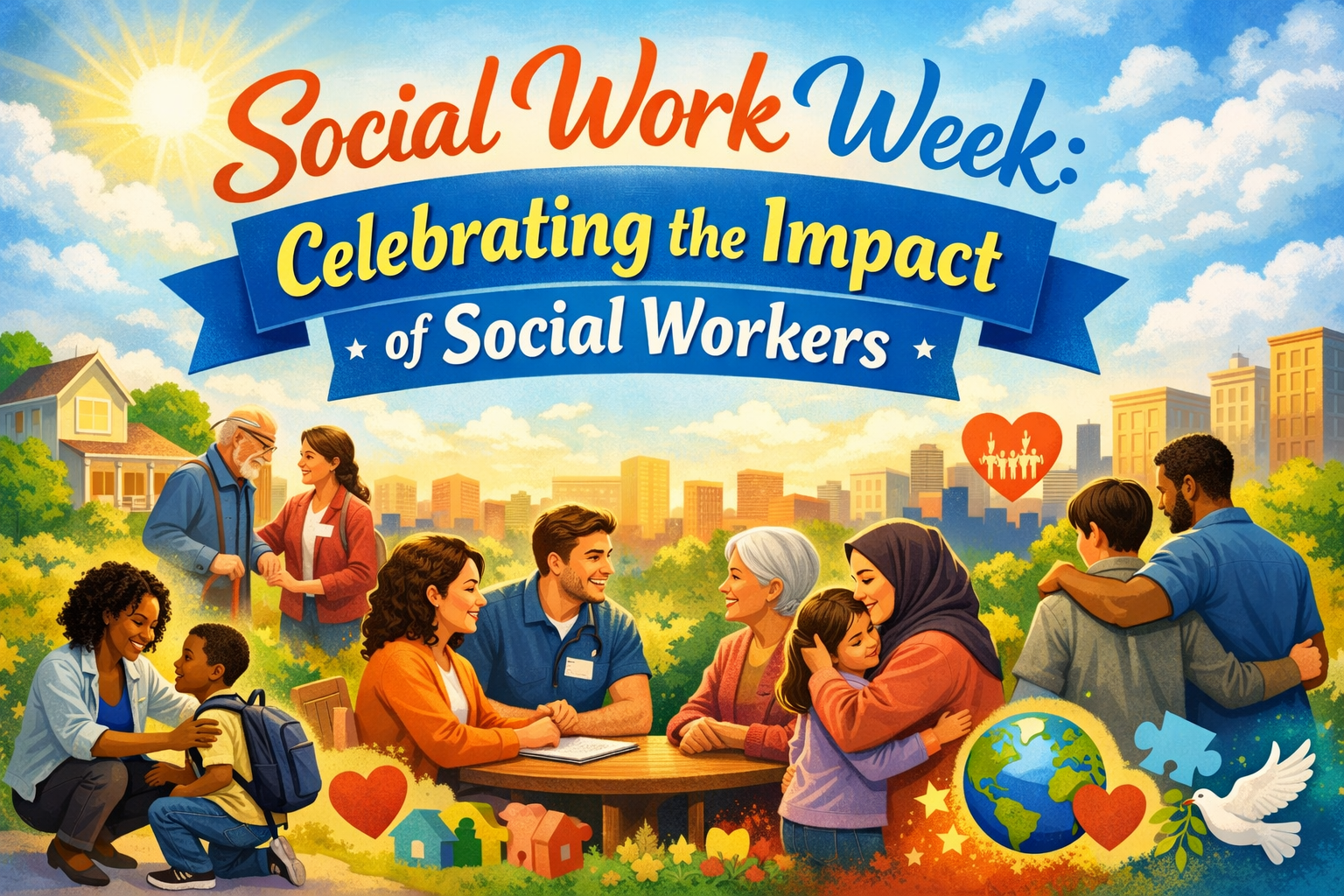
Social Work Week is a time to recognize the dedication, compassion, and expertise of social workers across Canada — and especially here in Barrie. Every day, social workers make a meaningful difference in the lives of individuals, families, and our wider community.

By Jess Pino February 11, 2026
Mental Health, Valentine’s Day Blues, Comparison Trap, Self-Love, Solo Date Ideas, Loneliness, Galentine's Day, Platonic Relationships, Self-Care, Relationship Pressure, Therapy Blog, Mental Well-being, Social Media Detox.

By bftherapy January 26, 2026
In an era where technology is integrated into almost every aspect of our lives, it is no surprise that many people are turning to AI therapy tools for emotional support. With the rise of sophisticated chatbots and generative models, the idea of a digital therapist available 24/7 has become increasingly appealing. However, as we navigate […]

By bftherapy January 20, 2026
The transition into January often arrives with a quiet but heavy pressure to reinvent ourselves. The calendar flips, and suddenly we are surrounded by messages urging us to become more productive, more disciplined, and more motivated overnight. We are told to hit the ground running with ambitious resolutions at the exact moment when the days […]
By bftherapy November 24, 2025
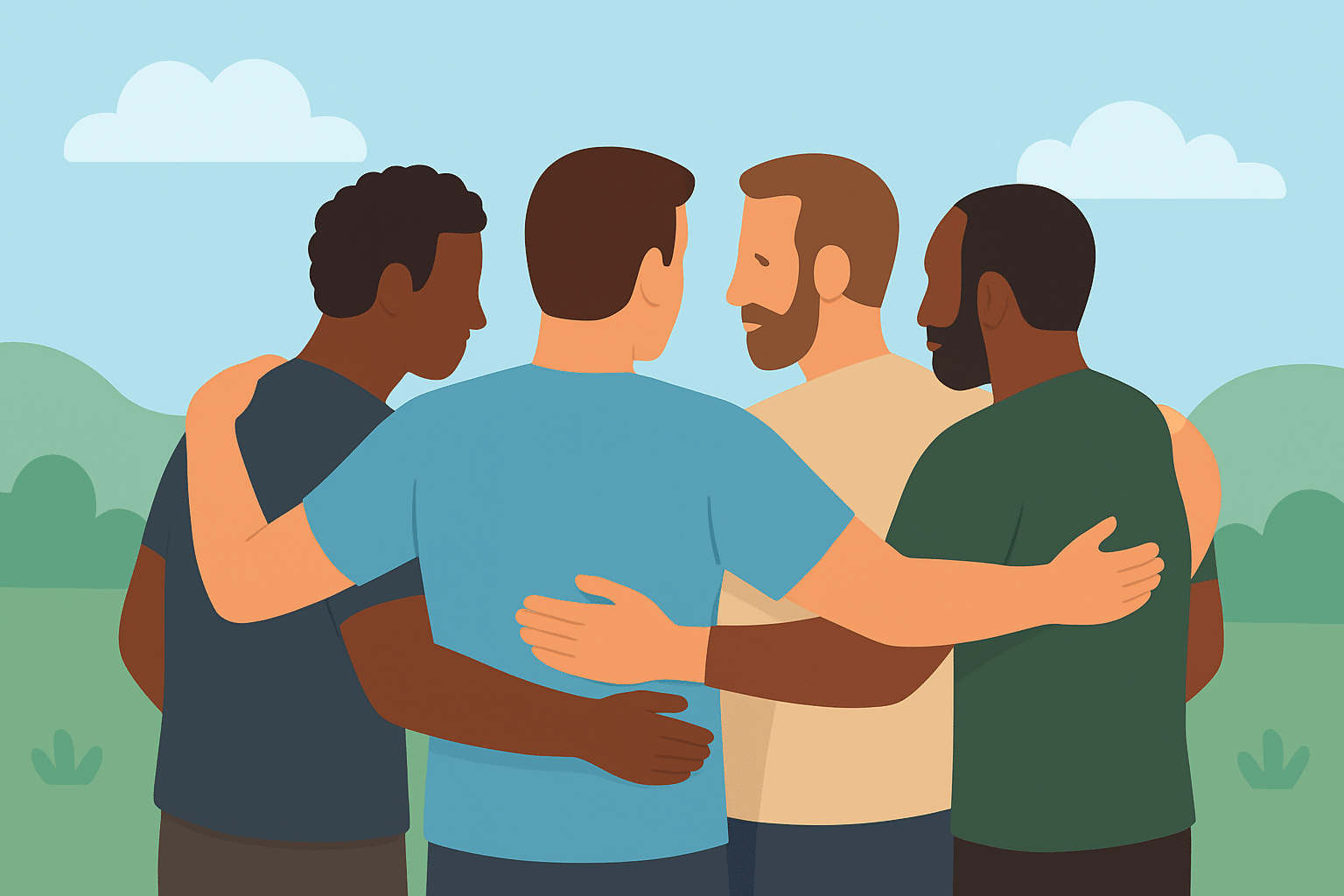
Men’s Emotional Well-Being: Why Deep Male Friendship and Community Matter More Than Ever Men’s emotional well-being has become one of the most urgent and overlooked topics in today’s world. While conversations about mental health have expanded over the last decade, many men are still quietly struggling—often alone. We’ve all heard the statistics about male loneliness, […]
By bftherapy November 14, 2025
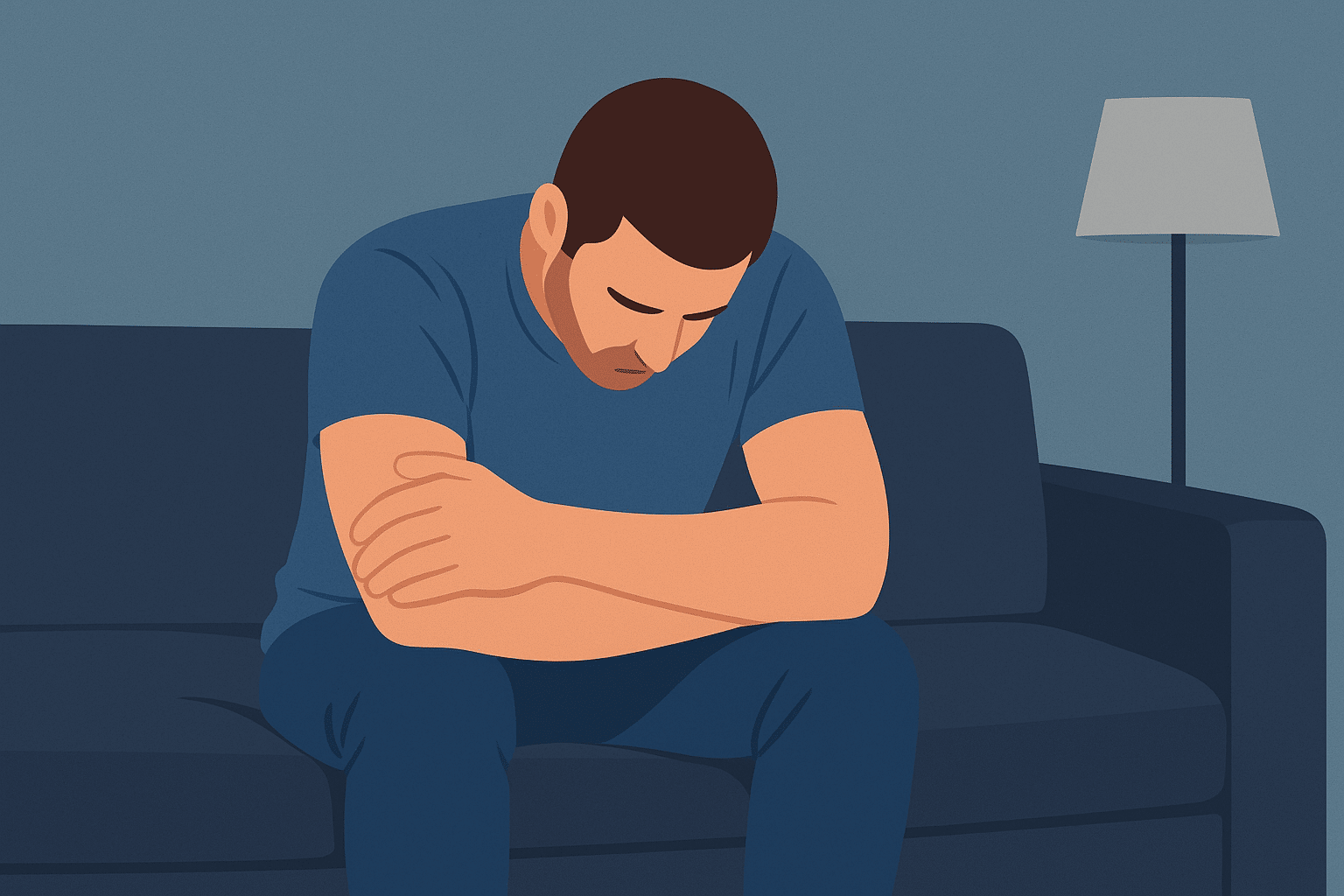
The real Movember challenge isn’t just about growing a mustache or raising awareness for men’s health once a year — it’s about rewriting the outdated script that tells men to stay silent in their struggles. For generations, the mantra of “toughing it out” has taught men to suppress emotional pain, ignore mental health challenges, and […]
By bftherapy November 2, 2025
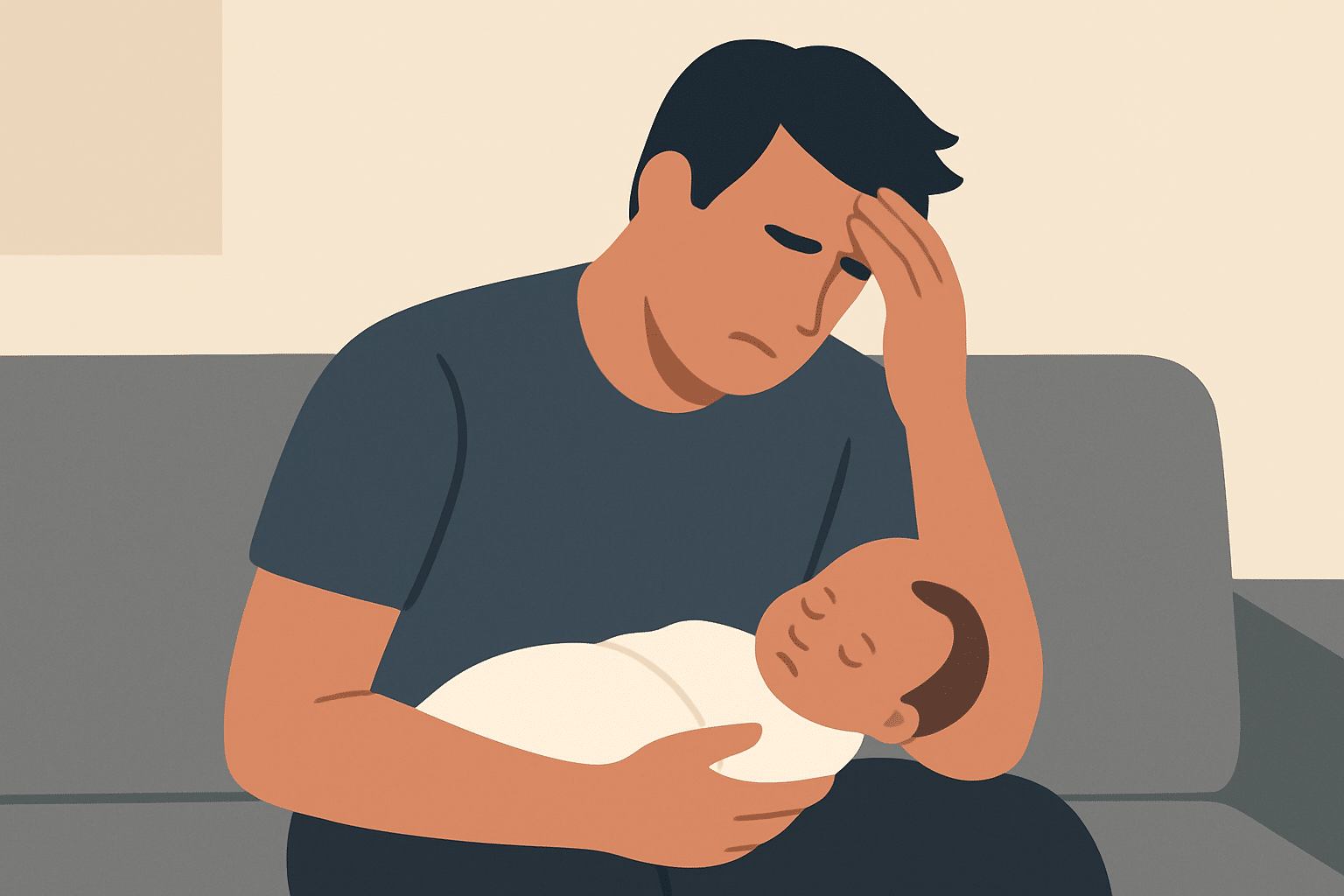
New dads’ mental health is an often-overlooked part of the parenting journey. Becoming a father is a monumental adjustment, and it’s completely normal to feel overwhelmed and to struggle. It’s important to remember that it’s okay to feel this way and, most importantly, it’s a sign of strength to ask for help. While fatherhood is […]

By bftherapy October 15, 2025
The return to school is often presented as an exciting time, but for many teens and young adults, it can amplify feelings of back-to-school anxiety, stress, and overwhelm. It is a period of significant emotional adjustment, and the pressure of new social dynamics, academic expectations, and demanding schedules can feel intense. It is vital for […]

By bftherapy October 8, 2025
Thanksgiving stress often hides behind images of joyful families and shared gratitude, yet what is often unseen is the significant emotional and psychological toll it takes on many individuals. The holiday season can bring an increased level of pressure and emotional exhaustion, and many people feel a certain amount of dread when it comes to […]