

Men’s Emotional Well-Being: Why Deep Male Friendship and Community Matter More Than Ever
Men’s emotional well-being has become one of the most urgent and overlooked topics in today’s world. While conversations about mental health have expanded over the last decade, many men are still quietly struggling—often alone. We’ve all heard the statistics about male loneliness, but reducing this issue to a set of numbers misses the deeper human reality behind it. To truly move past the clichés, we need to focus on the practical and necessary steps that help men build deep, vulnerable male friendships and strong community ties.
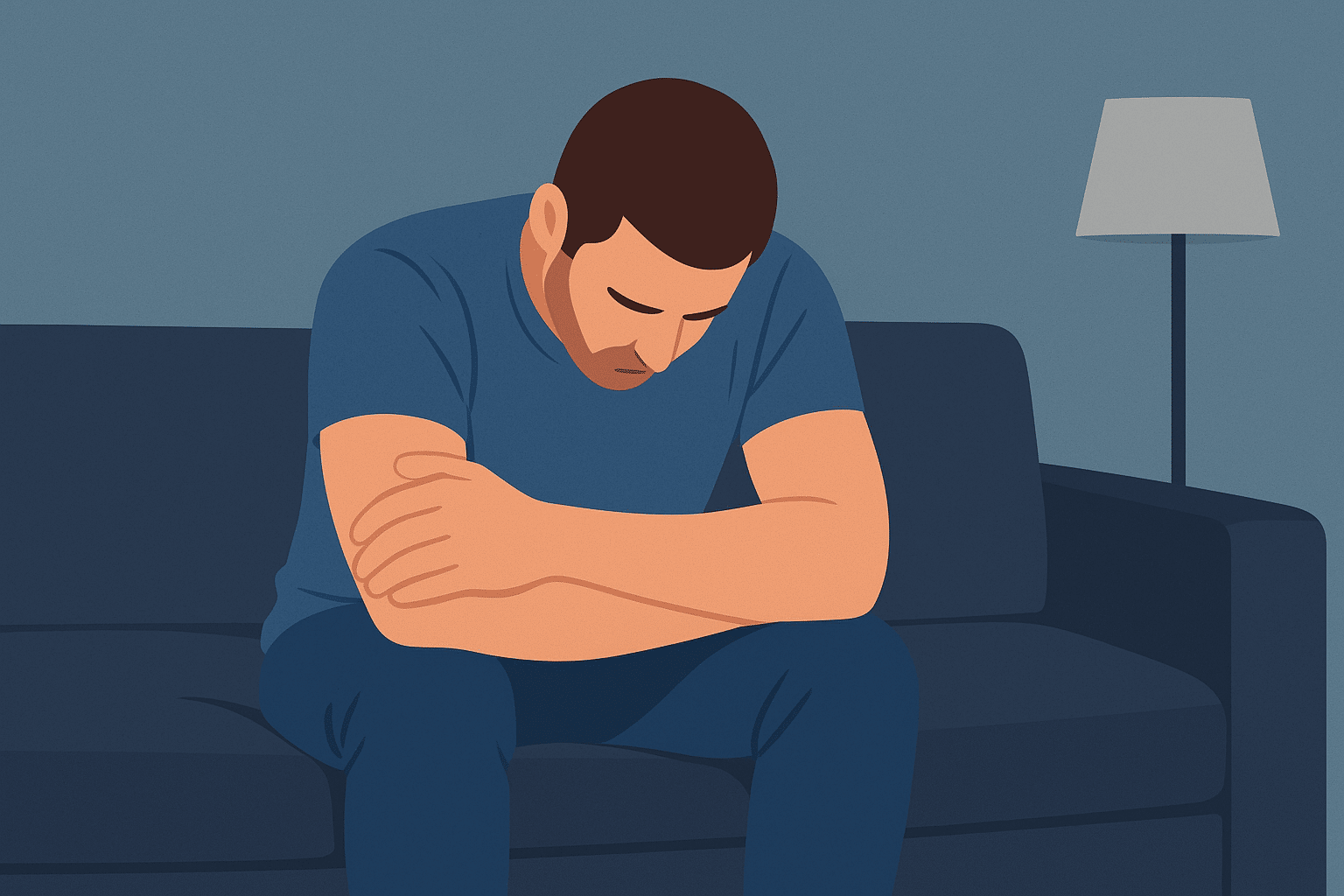
For generations, the dominant cultural message to men has revolved around hyper-independence: handle things yourself, stay strong, don’t burden anyone, don’t show too much. But this stoic façade comes at an immense emotional cost. It reinforces a harsh standard that leaves little room for honesty, softness, or connection. Research on men’s mental health repeatedly highlights how traditional masculine norms—especially the suppression of emotional expression and the fear of admitting personal struggle—serve as major barriers to seeking help (JOMH, n.d.).
We are often taught that acknowledging vulnerability is a weakness. In truth, it is one of the greatest strengths a man can cultivate. Vulnerability is what makes genuine connection possible, and genuine connection is the foundation of men’s emotional well-being .
The Power of Deep Male Friendship in Supporting Men’s Emotional Well-Being
Building a strong social support network is one of the most powerful buffers against the mental health challenges that impact men today. Research—especially studies focused on high-stress groups like military veterans—shows that social support is a major protective factor against PTSD, depression, and anxiety (PMC, n.d.). These findings point to an undeniable reality: men who are connected, supported, and emotionally engaged are significantly more resilient.
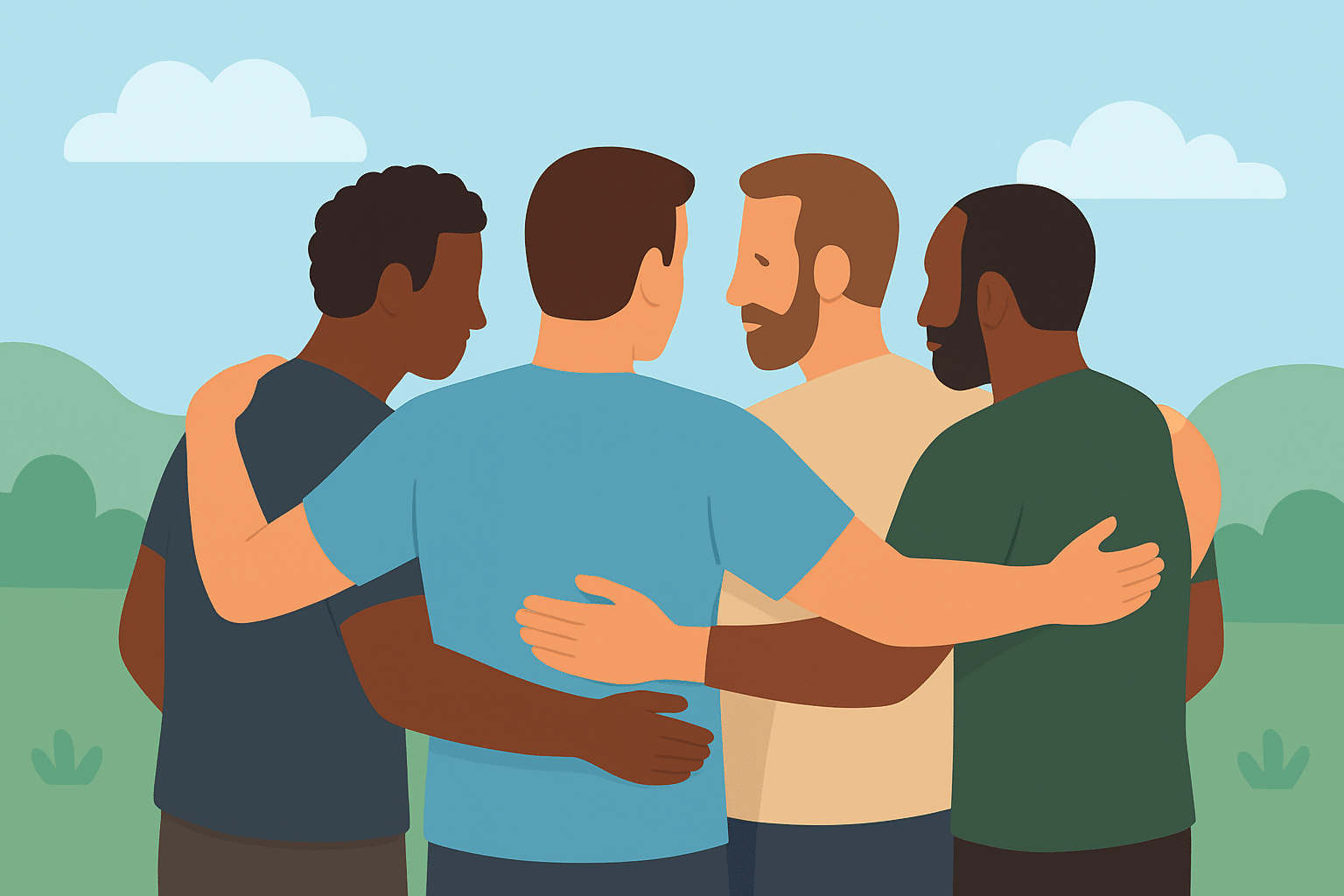
Loneliness and isolation, on the other hand, make men deeply vulnerable to emotional decline. This is where deep friendships come in. When men create an “emotional tribe,” they build a space where burdens can be shared without judgment, where honesty is met with understanding, and where connection becomes a true source of strength. This kind of tribe is not optional. It is a fundamental component of men’s emotional well-being , emotional regulation, and long-term mental resilience.
Finding your tribe means finding the courage to be seen—not just as the version of yourself that looks strong or put-together, but as the full human being you are. And it starts with something simple yet profound: choosing to pursue deep male friendships with intention.
Men’s Emotional Well-Being Requires More Than the Gym
When mental health comes up in conversations about men, fitness is often the first topic to arise. And while physical training is undeniably beneficial, most men default to discussions about muscle gain, performance, and discipline. But true fitness—fitness that supports men’s emotional well-being —must go deeper than the physical body.
A holistic approach looks at the mind, the spirit, and the social ecosystem a man exists within. The mind-body connection cannot be complete without acknowledging the profound impact relationships have on well-being.
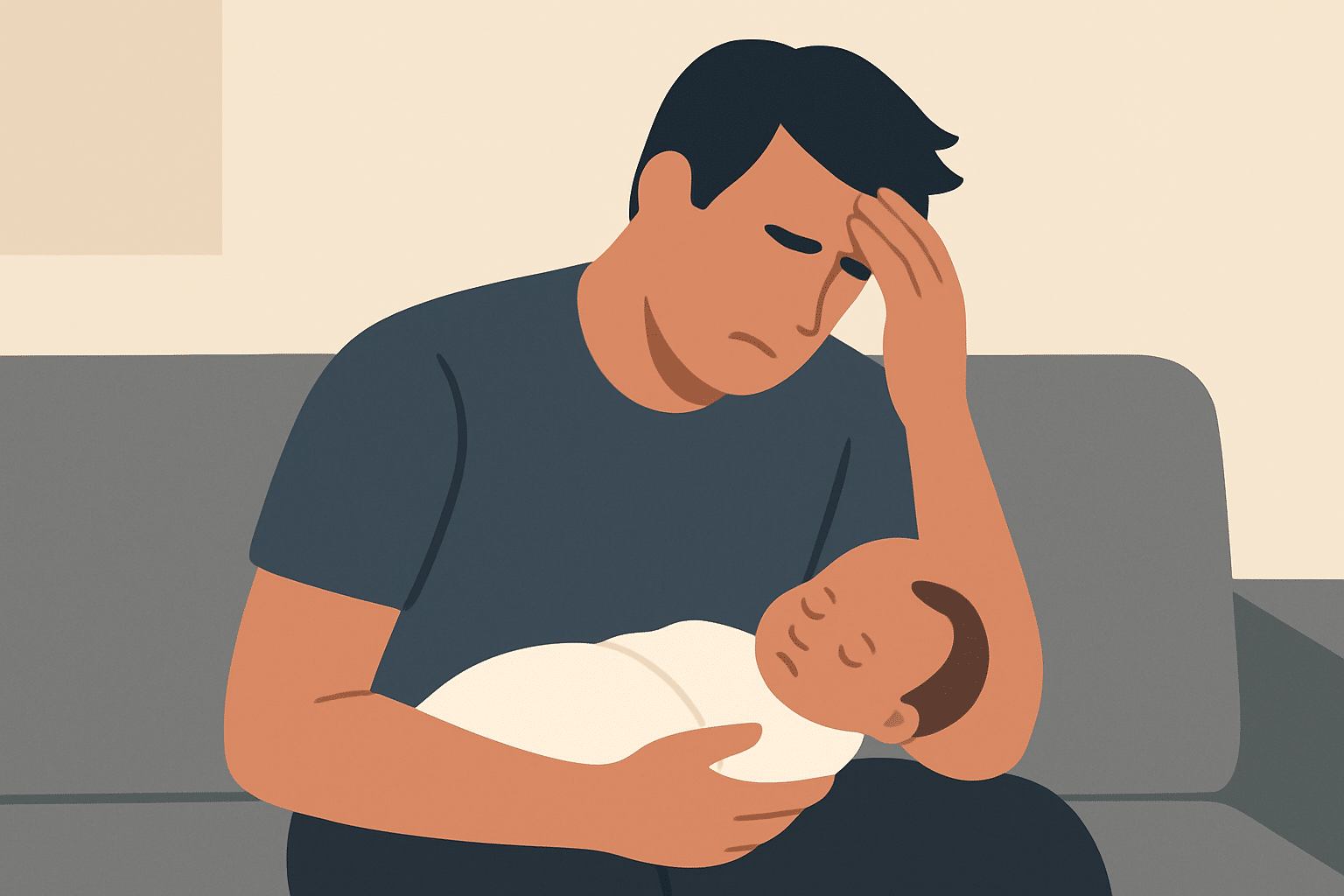
The effort required to maintain strong, meaningful relationships is a form of active self-care, even if it doesn’t show up as reps on a barbell or steps on a fitness tracker. As men enter midlife, research shows a concerning decline in close male friendships (The Guardian, n.d.). The time, energy, and attention that once supported friendships often becomes fully consumed by work, family obligations, and the daily grind. While these responsibilities matter, they also create an emotional vacuum—one that physical exercise alone cannot fill (The New York Times, n.d.).
The loss of deep, emotionally present friendships is not a trivial issue. It directly impacts men’s emotional well-being , sometimes more powerfully than diet, sleep, or exercise.
Why Emotional Intimacy Is a Critical Part of Men’s Emotional Well-Being
The quality of a man’s friendships shapes his mental landscape more than he may realize. When close male friendships are thriving, they offer fertile ground for emotional intimacy—a rare space where men can speak honestly about fears, hopes, failures, and pressures without performance or posturing.
However, many men struggle with the vulnerability required to sustain these connections. Culturally, it has been far easier for men to keep things surface-level. Sports, work, hobbies, and casual banter often become safe cover for the deeper emotional conversations that many men desperately need but feel unequipped to initiate.
This avoidance becomes a major barrier to seeking help or accepting support (The New York Times, n.d.). And with every year that passes, the emotional gap widens.
Recognizing that emotional intimacy is not a luxury—but a vital ingredient of men’s emotional well-being —is the first step toward reversing this trend. Real male friendship requires presence, honesty, and the willingness to let another person see what’s happening beneath the surface.
Reframing Friendship as Essential Self-Care for Men’s Emotional Well-Being
To build a healthier future for men, we must reframe friendship maintenance as a non-negotiable part of active self-care. Just as you commit to a physical training routine, you must commit to nurturing your social connections. The same energy and discipline men apply to their fitness goals must be applied to preserving and strengthening their friendships.
A holistic view of health understands that men’s emotional well-being relies not just on a healthy heart and strong muscles, but also on the presence of a strong emotional support system. Friendships act as emotional ballast—stabilizing men during life’s storms, grounding them in their identity, and providing them with a safe place to process stress.
This is not “extra.” This is essential. Without social connection, the mind-body connection remains incomplete.
The truth is simple: men need connection just as much as women do, and sometimes even more. The cultural scripts men have inherited may have taught them to remain silent and self-reliant, but healing—and strength—come from community.
Deep male friendship is not supplemental to a life well lived. It is central to it.
And the journey begins with deciding that your emotional health matters. Because it does. If you feel that you need professional help, you can book a free 15-minute consultation with our therapists at Bona Fide Psychotherapy and Counselling by clicking here.