

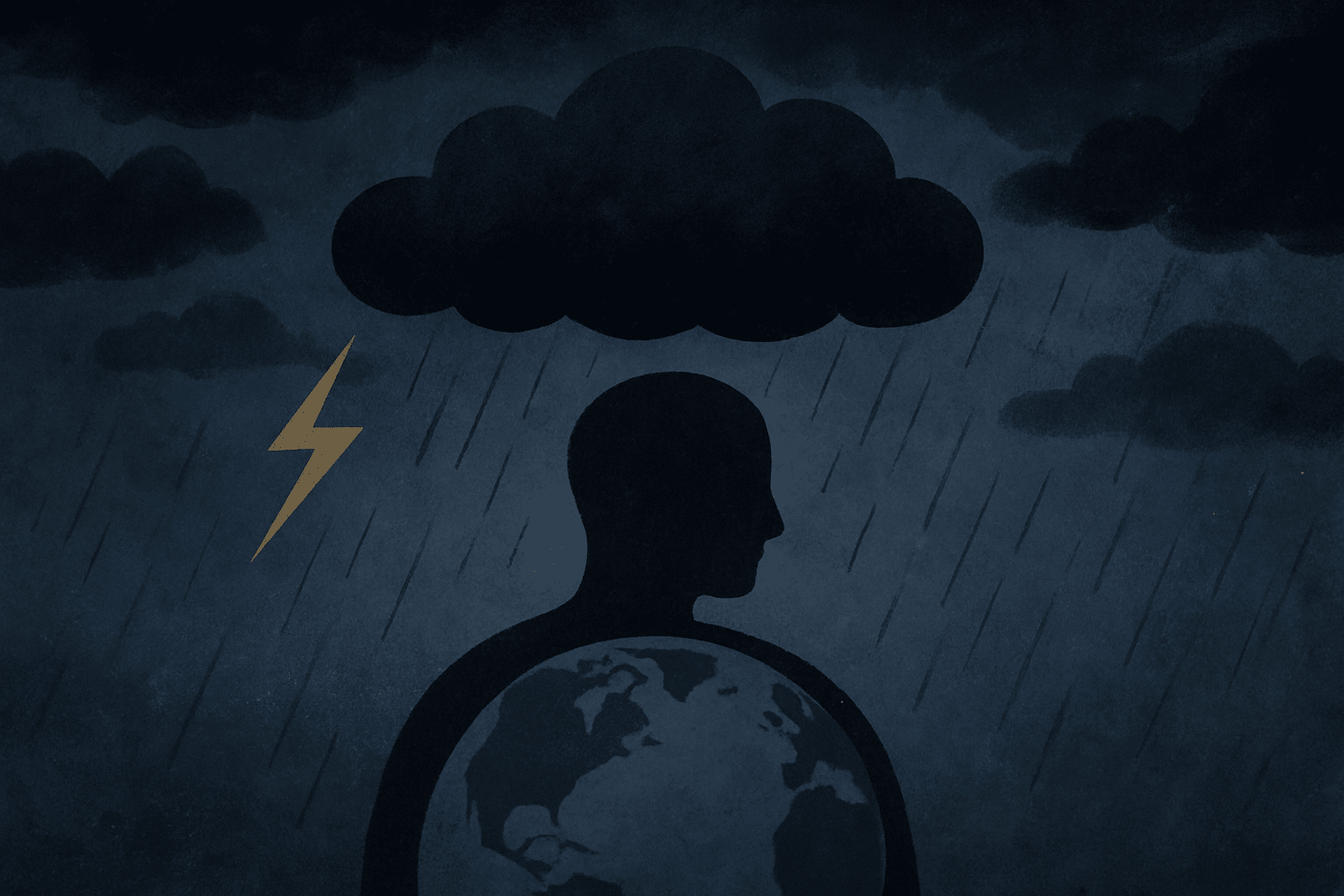


Coping with Vicarious Trauma in a World That Feels Overwhelming
bftherapy • September 25, 2025

vicarious trauma

Is the world feeling heavy and uncertain lately? Vicarious trauma can creep in when every headline, every shocking video, every story of pain, we see it all. This constant exposure can trigger our nervous system, keeping it on high alert as if we’re in danger ourselves. When the nervous system is stuck in this “survival mode,” it activates the fight, flight, or freeze response. Over time, this can leave us feeling emotionally drained, exhausted, helpless, or hopeless. Even if we’re not directly in danger, the repeated exposure to violence, suffering, or disaster through social media and news can feel traumatizing, because our bodies respond as if we are experiencing the threat firsthand.

Vicarious Trauma

Vicarious trauma refers to the psychological, emotional, and cognitive changes that can occur when someone is repeatedly exposed to the traumatic experiences of others, even when they haven’t directly experienced the trauma themselves. This often happens through empathic engagement: hearing about or witnessing trauma via survivors, clients, media reports, or other second-hand sources. The effects of vicarious trauma can be subtle at first but build up over time.

What are some strategies I can put into action to reduce vicarious trauma?

It’s important to stay informed, but it’s just as important to protect your own mental wellbeing when dealing with vicarious trauma .

1) Unplug

Limit your time watching the news and on social media. Ditch the doom scrolling! Set specific times of the day to check the news and social media. This keeps your nervous system in high alert and reduces the buildup of vicarious trauma . You don’t have to watch all content. Be extra careful with watching graphic footage and videos.

2) Name and feel your emotions

As Dr. Daniel J. Siegel says, “Name it to Tame it.” When you put your feelings into words, it helps calm the emotional brain and engage the thinking brain. Labeling emotions brings clarity, creates distance from overwhelming feelings, and improves self-awareness so you can manage them more effectively. Allow yourself to feel without judgment—this is an important step in addressing vicarious trauma .

3) Balance Awareness with Action

Focus on what you can do: donate, volunteer, sign petitions, support local initiatives. Taking meaningful action helps replace helplessness with empowerment and counters the hopelessness that vicarious trauma can create.

4) Spend time with loved ones and connect with community

Share your feelings with loved ones and people you trust. Staying connected helps reduce the isolation that often accompanies vicarious trauma .

5) Maintain routine

I know this one can be hard—but try to stick to regular sleep, exercise, and meal schedules. Stability in daily habits helps counter the chaos of external events and lowers the impact of vicarious trauma on your body and mind.

6) Ground Yourself in the Present

Practice grounding techniques: deep breathing, noticing your surroundings, stretching, getting outside in nature. This can help calm the nervous system and ease symptoms of vicarious trauma .

7) Seek Professional Help

If distress lingers or starts to interfere with your daily life, consider talking with a mental health professional. Therapy provides a safe space to process difficult emotions, gain perspective, and learn coping strategies tailored to you. Professional support is often the most effective way to heal from vicarious trauma .

And remember—caring for yourself doesn’t mean turning away from the world. It means making sure you have the capacity to face it.

Our therapists at Bona Fide Psychotherapy and Counselling are here to help! You can book a free 15-minute phone consultation with us here.

Resources:

Siegel, D. J., & Bryson, T. P. (2011). The Whole-Brain Child: 12 Revolutionary Strategies to Nurture Your Child’s Developing Mind. Delacorte Press


Jessica is a Registered Social Worker (MSW, RSW), EMDRIA Approved Consultant. She helps individuals struggling with PTSD, trauma, anxiety and managing moods like depression. She also supports EMDR therapists seeking consultation for certification and building confidence in their EMDR skills.
By bftherapy January 26, 2026
In an era where technology is integrated into almost every aspect of our lives, it is no surprise that many people are turning to AI therapy tools for emotional support. With the rise of sophisticated chatbots and generative models, the idea of a digital therapist available 24/7 has become increasingly appealing. However, as we navigate […]

By bftherapy January 20, 2026
The transition into January often arrives with a quiet but heavy pressure to reinvent ourselves. The calendar flips, and suddenly we are surrounded by messages urging us to become more productive, more disciplined, and more motivated overnight. We are told to hit the ground running with ambitious resolutions at the exact moment when the days […]

By bftherapy November 24, 2025
Men’s Emotional Well-Being: Why Deep Male Friendship and Community Matter More Than Ever Men’s emotional well-being has become one of the most urgent and overlooked topics in today’s world. While conversations about mental health have expanded over the last decade, many men are still quietly struggling—often alone. We’ve all heard the statistics about male loneliness, […]
By bftherapy November 14, 2025
The real Movember challenge isn’t just about growing a mustache or raising awareness for men’s health once a year — it’s about rewriting the outdated script that tells men to stay silent in their struggles. For generations, the mantra of “toughing it out” has taught men to suppress emotional pain, ignore mental health challenges, and […]
By bftherapy November 2, 2025
New dads’ mental health is an often-overlooked part of the parenting journey. Becoming a father is a monumental adjustment, and it’s completely normal to feel overwhelmed and to struggle. It’s important to remember that it’s okay to feel this way and, most importantly, it’s a sign of strength to ask for help. While fatherhood is […]

By bftherapy October 15, 2025
The return to school is often presented as an exciting time, but for many teens and young adults, it can amplify feelings of back-to-school anxiety, stress, and overwhelm. It is a period of significant emotional adjustment, and the pressure of new social dynamics, academic expectations, and demanding schedules can feel intense. It is vital for […]

By bftherapy October 8, 2025
Thanksgiving stress often hides behind images of joyful families and shared gratitude, yet what is often unseen is the significant emotional and psychological toll it takes on many individuals. The holiday season can bring an increased level of pressure and emotional exhaustion, and many people feel a certain amount of dread when it comes to […]
By bftherapy August 28, 2025
The devastation left behind by a wildfire is visible for all to see: scorched landscapes, destroyed homes, and a lingering scent of smoke. However, what is often unseen is the significant emotional and psychological toll it takes on a community. Just as a physical wound takes time and care to heal, the emotional wounds from […]