What Classifies A First Responder?
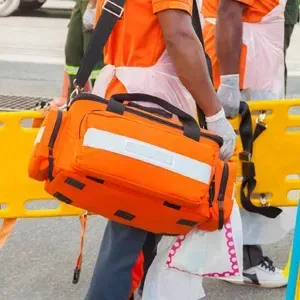
First responder mental health is a critical yet often overlooked topic, especially when we think about those who are first on the scene during emergencies—trained to jump into action and provide critical help when every second counts. Their job is to provide immediate, often life-saving care and support in high-stress, unpredictable situations. First responders include professionals like firefighters, police officers, paramedics, correction officers, emergency dispatchers, search and rescue teams, emergency room nurses and doctors, and disaster response coordinators.
The Hidden Toll of First Responder Mental Health
More than 80 percent of first responders experience traumatic events on the job. First responders are at high risk of developing PTSD. Consequently, according to the Substance Abuse and Mental Health Services Administration (SAMHSA), roughly 1 in 3 first responders develop PTSD. There is also an increased rate of substance use with first responders—alcohol use ranging from 16%-40%.
First responders face a unique set of challenges such as occupational trauma and critical incidents—regularly witnessing accidents, fatalities, and responding to calls involving children and families. Other challenges include anxiety, depression, sleep disturbances, nightmares, flashbacks, isolation, emotional numbing, and constantly being “on alert.” Another common challenge and theme that often shows up in the therapy room is struggle with work-life balance, moral injury, and survivor’s guilt—having to go against any ethical or personal values and feeling guilt over surviving when others didn’t.
With all first responders deal with on the job, it can really affect how they function day to day, and it can put a serious strain on their relationships and family life too. Unfortunately, there can also be an ingrained cultural stigma they face with showing vulnerability, which often impacts first responders to reach out and seek support—“it’s part of the job.” Even if resources do exist, it may be challenging for them to reach out due to a lack of trust.
How Can We Help Improve First Responder Mental Health?
We start by breaking down the stigma and barriers that prevent first responders from accessing mental health support. While stress and trauma may come with the job, the impact on your quality of life doesn’t have to. You don’t need to suffer in silence or navigate the challenges of your career alone. We’re here to ensure you receive proper debriefing and support to process traumatic events in a healthy and effective way. Early intervention is key—it can make a significant difference in reducing long-term impacts and may help prevent the development of PTSD.
Therapy Options That Support First Responder Mental Health
According to the National Center for PTSD, Eye Movement Desensitization and Reprocessing (EMDR), Cognitive Processing Therapy (CPT), and Prolonged Exposure (PE) are all evidence-based treatments recommended for trauma. But what do these actually mean in real life? Don’t worry—we’ll be breaking down common therapies in upcoming blog posts, including which ones first responders often gravitate toward, and the pros and cons of each. Stay tuned!
Are You Ready to Take the First Step Toward Healing?
Our team is here for you and your family to work towards healing, resilience, and a fulfilling life customized and tailored to your experience.
First responder mental health matters—let’s make sure no one has to face it alone. We understand the unique pressures that come with the job and offer specialized care designed to support first responder mental health at every stage. You can book a free 15-minute consultation with us
here.
Jessica has spent her career on the front lines of first responder mental health, working alongside police officers to support individuals in crisis during hospital calls. With deep experience serving first responders and veterans, she brings a compassionate, grounded perspective to the complex intersection of trauma, service, and healing. Her writing reflects both the intensity of the work and the hope that comes from human connection.
Resources:
https://www.ontario.ca/page/post-traumatic-stress-disorder-prevention-plans#section-0
https://www.ptsd.va.gov/professional/treat/txessentials/overview_therapy.asp
https://institutesofhealth.org/ptsd-in-first-responders/